

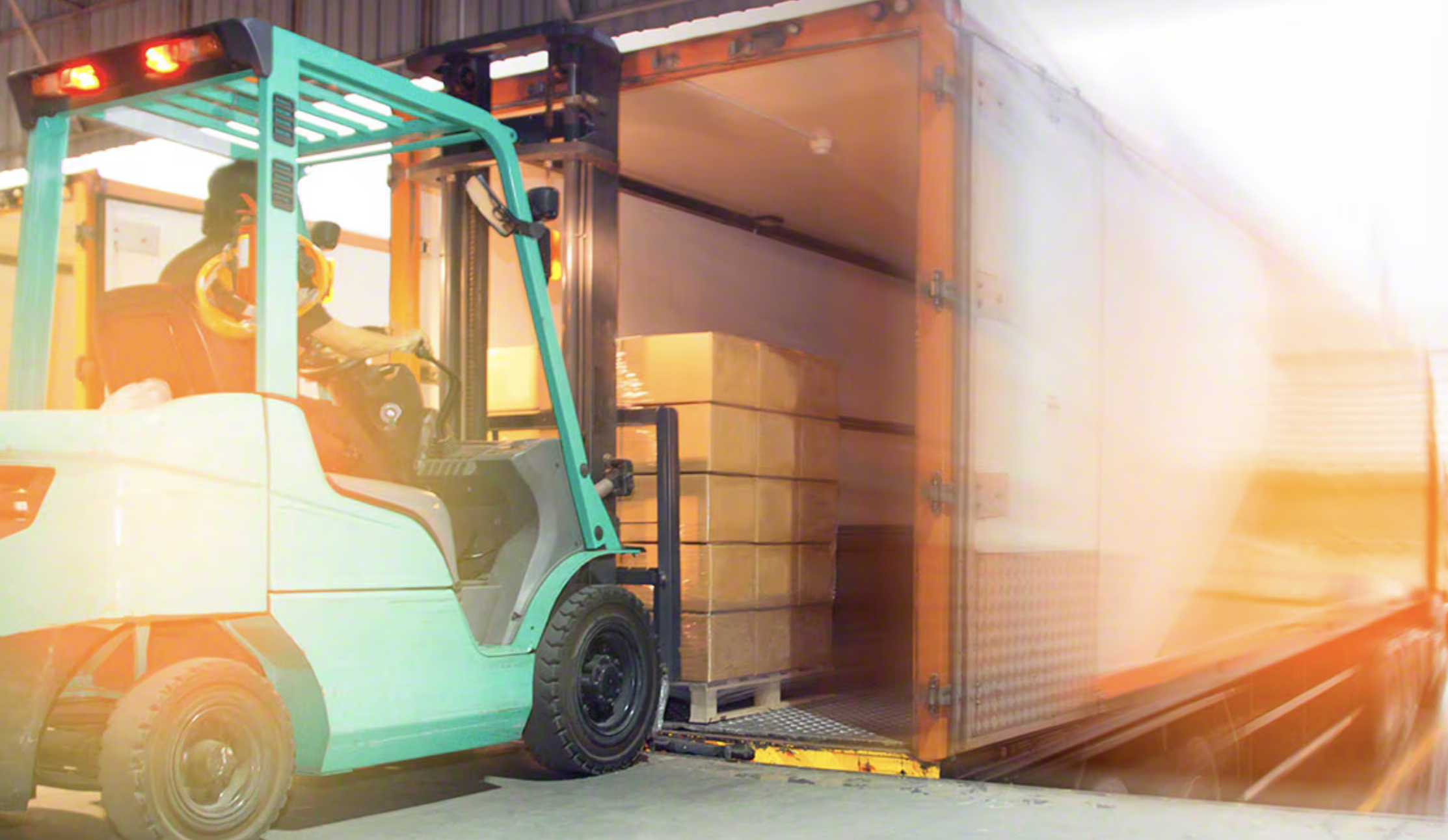
In today’s competitive market, businesses are continually seeking ways to optimize operations and reduce expenses. One effective strategy that can lead to significant cost savings is delivery consolidation. This approach involves combining multiple shipments into a single delivery, which can streamline logistics, cut costs, and improve efficiency. Here’s a closer look at how delivery consolidation can benefit your business.
1. Reduced Shipping Costs
One of the most direct benefits of delivery consolidation is the reduction in shipping costs. When shipments are consolidated, businesses can take advantage of bulk shipping rates, which are typically lower than the costs associated with sending smaller, individual shipments. This is because carriers often offer discounts for larger volumes of goods. Additionally, consolidating deliveries reduces the number of shipments you need to pay for, which can further decrease overall transportation expenses.
2. Decreased Handling Fees
Consolidated shipments often result in fewer handling touches. Each time a package is handled—whether it’s loaded onto a truck, moved at a warehouse, or transferred between facilities—there are associated costs. By consolidating deliveries, you minimize the number of times goods are handled, thus reducing handling fees and the potential for damage during transit.
3. Improved Transportation Efficiency
Delivery consolidation improves transportation efficiency by reducing the number of trips required to transport goods. Fewer trips mean less fuel consumption, lower vehicle maintenance costs, and a smaller carbon footprint. This not only helps reduce costs but also supports your business’s sustainability goals. Efficient transportation also means faster delivery times, as goods are moved in larger, more optimized loads.
4. Better Inventory Management
Consolidation allows for more precise inventory management. By grouping shipments together, businesses can better predict inventory levels and reduce the risk of stockouts or overstock situations. This is particularly beneficial for businesses with high turnover rates or those managing seasonal inventory fluctuations. Improved inventory management can lead to fewer emergency shipments and a more controlled supply chain.
5. Enhanced Supplier Relationships
When multiple orders from the same supplier are consolidated, it can improve relationships with suppliers. Suppliers are often more willing to offer discounts or better terms for bulk orders. Additionally, consolidating shipments can lead to more predictable delivery schedules and fewer disruptions, which can strengthen your business’s reputation as a reliable partner.
6. Streamlined Administrative Processes
Consolidating deliveries simplifies administrative processes. Fewer shipments mean fewer invoices, tracking numbers, and shipment confirmations to manage. This reduces the administrative burden on your team, allowing them to focus on other critical tasks. Streamlined processes also minimize the risk of errors and discrepancies in shipment records.
7. Enhanced Customer Satisfaction
While it may seem counterintuitive, delivery consolidation can actually enhance customer satisfaction. By optimizing delivery schedules and reducing delays, customers receive their orders more efficiently. Consolidated deliveries can also improve accuracy, as fewer shipments mean less chance of misplacement or error. Satisfied customers are more likely to return and recommend your business, boosting your overall market position.
Implementing Delivery Consolidation
To effectively implement delivery consolidation, consider the following steps:
- Analyze Your Shipping Patterns: Review your current shipping data to identify opportunities for consolidation. Look for patterns in order sizes, delivery frequencies, and supplier locations.
- Work with Your Carriers: Communicate with your logistics partners to explore options for consolidating shipments. Many carriers offer consolidation services or can provide guidance on how to optimize your shipping strategy.
- Utilize Technology: Invest in logistics software that can help you manage and track consolidated shipments. Advanced software can automate consolidation processes and provide insights into shipping performance.
- Review and Adjust Regularly: Continuously monitor the effectiveness of your consolidation strategy. Adjust your approach as needed based on changes in order volume, shipping costs, or other factors.
Conclusion
Delivery consolidation offers a range of benefits that can significantly reduce costs and improve overall efficiency for your business. By taking advantage of bulk shipping rates, decreasing handling fees, and enhancing inventory management, you can streamline your logistics and strengthen your supply chain. Implementing delivery consolidation not only helps you save money but also contributes to a more sustainable and customer-friendly operation. With careful planning and execution, this strategy can lead to long-term success and competitive advantage.


Hi, this is a comment.
To get started with moderating, editing, and deleting comments, please visit the Comments screen in the dashboard.
Commenter avatars come from Gravatar.